
Specifications
Organic, Kosher, Halal and Food Grade



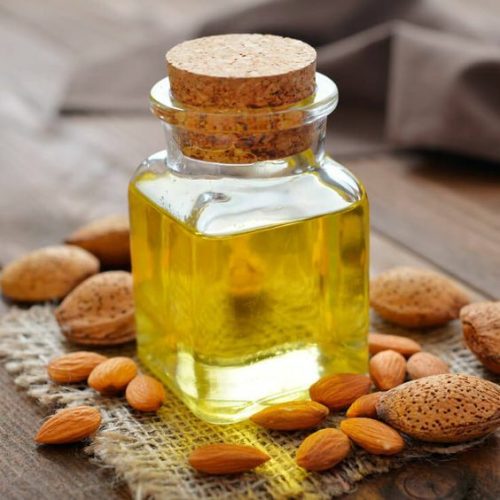
Sweet Almond Oil Refined
INCI Name: Prunus Amygdalus Dulcis (Sweet Almond) Oil
Type: Plant-derived carrier oil (refined)
Origin & Composition:
- Extracted from the seeds of sweet almonds (Prunus amygdalus dulcis)
- Refined to remove odor, color, and impurities while retaining key fatty acids
- Rich in oleic acid (omega-9) and linoleic acid (omega-6)
- Contains vitamin E, phytosterols, and lightweight triglyceride
Cosmetic Benefits:
- Emollient: Softens and smooths skin, ideal for dry or rough patches
- Non-greasy: Refined version absorbs quickly without leaving a heavy residue
- Soothing: Calms irritation and supports sensitive or inflamed skin
- Restorative: Helps improve skin tone and texture
- Hair conditioning: Adds shine and smoothness to dry or frizzy hair
Common Uses:
- Creams, lotions, and facial moisturizers
- Body oils and massage blends
- Hair masks, conditioners, and beard oils
- Baby care products and makeup removers
- Lip balms and cuticle treatments
Formulation Notes:
- Highly stable and longer shelf life than unrefined version
- Neutral scent and light color—ideal for fragrance-free or colored formulations
- Excellent carrier oil for essential oils or actives
- Suitable for all skin types, including sensitive and acne-prone skin
Grapeseed Oil Refined
INCI Name: Vitis Vinifera (Grape) Seed Oil
Type: Plant-derived carrier oil (refined)
Origin & Composition:
- Extracted from the seeds of grapes, typically a byproduct of winemaking
- Refined to remove odor, color, and impurities, resulting in a light, neutral oil
- Rich in linoleic acid (omega-6) and oleic acid (omega-9)
- Contains vitamin E, polyphenols, and beta-sitosterol
Cosmetic Benefits:
- Balancing: Helps regulate oil production—ideal for oily and acne-prone skin
- Lightweight: Fast-absorbing and non-comedogenic
- Astringent properties: Tightens and tones the skin without clogging pores
- Antioxidant-rich: Protects against free radicals and environmental stress
- Hair conditioning: Adds moisture and shine without greasiness

Common Uses:
- Facial oils and serums for oily or combination skin
- Lightweight body lotions and moisturizers
- Scalp and hair treatments
- Massage oils and bath blends
- Natural cleansers and makeup removers
Formulation Notes:
- Very light texture—excellent for fast-absorbing, matte-finish products
- Refined version has extended shelf life and no strong scent
- Good solvent for fat-soluble actives and essential oils
- Best for formulations targeting sensitive, acne-prone, or congested skin
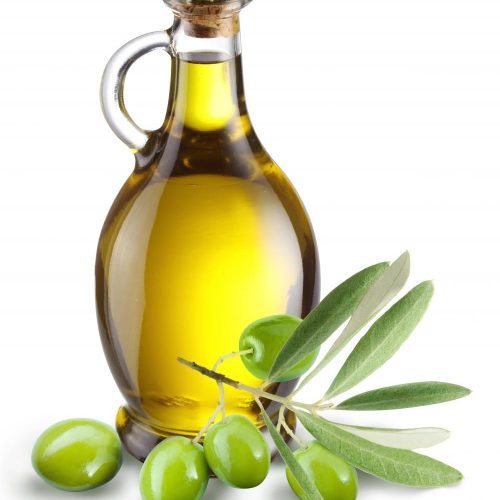
Olive Oil (Refined)
INCI Name: Olea Europaea (Olive) Fruit Oil
Type: Plant-derived carrier oil (refined)
Origin & Composition:
- Extracted from the fruit of the olive tree (Olea europaea) and then refined to reduce color, scent, and impurities
- Very high in oleic acid (omega-9) with small amounts of linoleic and palmitic acids
- Contains squalene, vitamin E, polyphenols, and phytosterols
Cosmetic Benefits:
- Moisturizing & protective: Forms a barrier to prevent water loss and protect against environmental damage
- Emollient: Softens and smooths rough, dry, or flaky skin
- Soothing: Calms inflammation and supports healing—suitable for sensitive or compromised skin
- Hair & scalp care: Helps reduce dryness, breakage, and scalp irritation
- Antioxidant support: Protects against premature aging and oxidative stress
Common Uses:
- Creams, lotions, and rich body butters
- Soaps (especially castile and natural bar soaps)
- Lip balms, cuticle creams, and salves
- Hair masks, scalp oils, and pomades
- Baby care and sensitive skin formulations
Formulation Notes:
- Refined oil has light color, mild scent, and increased shelf stability compared to virgin or extra virgin olive oil
- Best used in thicker, more protective formulations
- Suitable for all skin types, especially dry, irritated, or mature skin
- Can be used as a base oil in emulsions or oil blends
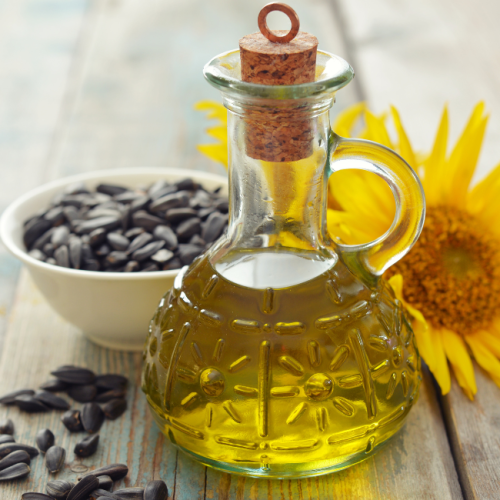
Sunflower High Oleic Oil
INCI Name: Helianthus Annuus (Sunflower) Seed Oil
Type: Plant-derived carrier oil (high-oleic variety)
Origin & Composition:
- Derived from sunflower seeds selectively bred for high oleic acid content (70–90%)
- Rich in vitamin E (tocopherols) and omega-9 fatty acids
- Light, non-comedogenic, and fast-absorbing oil
Cosmetic Benefits:
- Moisturizing: Helps retain skin moisture by reinforcing the natural skin barrier
- Anti-inflammatory: Soothes irritated or sensitive skin—ideal for conditions like eczema or dermatitis
- Antioxidant: Vitamin E protects against environmental stressors and premature aging
- Non-greasy texture: Suitable for oily, acne-prone, or sensitive skin types
- Improves skin elasticity: Oleic acid enhances permeability, aiding delivery of active ingredients
Common Uses:
- Facial oils and serums
- Lotions and body creams
- Lip balms and baby care products
- Hair conditioners and scalp treatments
- Massage oils and natural cleansers
Formulation Notes:
- Stable and resistant to oxidation—excellent shelf life
- Can be used as a base or carrier oil for essential oils
- Cold-pressed or expeller-pressed versions preferred for natural/organic formulations
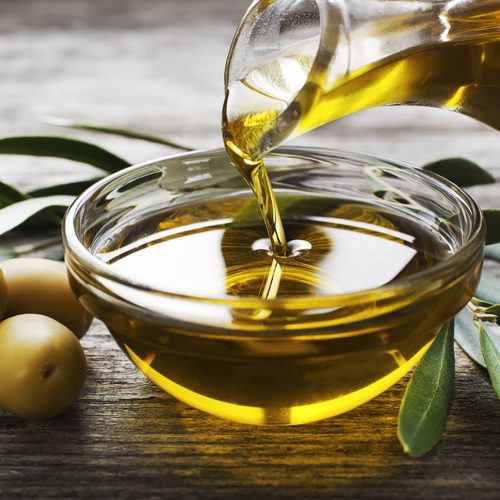
Olive Squalane
INCI Name: Squalane
Type: Hydrogenated lipid derived from olives (refined and stabilized)
Origin & Composition:
- Derived from squalene, a natural compound found in olive oil (and also in human sebum), then hydrogenated to form squalane, making it fully saturated and oxidation-resistant
- 100% pure hydrocarbon, lightweight and skin-identical
- Colorless, odorless, and highly stable
Cosmetic Benefits:
- Biomimetic: Mimics skin’s natural lipids—ideal for restoring the skin barrier
- Weightless hydration: Provides silky, non-greasy moisture for all skin types
- Non-comedogenic: Absorbs quickly, suitable for acne-prone and oily skin
- Soothing: Calms irritation and supports skin regeneration
- Hair care: Adds shine and protects against breakage without weighing hair down
Common Uses:
- Facial oils and lightweight serums
- Barrier repair and anti-aging creams
- Eye creams, lip care, and sensitive skin products
- Hair serums, heat protectants, and scalp treatments
- Ideal base for minimalist or luxury skincare lines
Formulation Notes:
- Ultra-stable—does not oxidize, excellent for anhydrous or emulsified systems
- Suitable for all skin types, including sensitive, oily, and compromised skin
- Enhances skin feel, slip, and spread ability in cosmetic formulations
- Often used at 1–15%, or as a primary base in oil serums
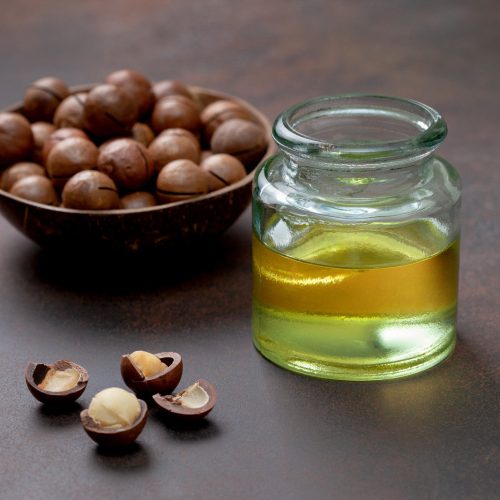
Macadamia Oil Refined
INCI Name: Macadamia Integrifolia Seed Oil
Type: Plant-derived carrier oil (refined)
Origin & Composition:
- Cold-pressed from the nuts of the macadamia tree, then refined for clarity, neutral scent, and extended shelf life
- Very high in oleic acid (omega-9) and uniquely rich in palmitoleic acid (omega-7)
- Contains squalene, vitamin E, and phytosterols
Cosmetic Benefits:
- Skin-replenishing: Palmitoleic acid closely mimics skin’s natural lipids—ideal for mature and dry skin
- Deeply moisturizing: Softens and restores skin barrier without feeling greasy
- Soothing & regenerative: Helps calm redness, irritation, and support healing
- Hair nourishment: Adds softness and shine, especially for dry or damaged hair
- Antioxidant protection: Protects skin from oxidative stress and dehydration
Common Uses:
- Anti-aging creams and facial oils
- Body butters, balms, and massage oils
- Hair masks, serums, and scalp treatments
- Lip balms and cuticle oils
- Stretch mark, scar, and sun-damage care products
Formulation Notes:
- Refined macadamia oil is light, golden, and odorless—ideal for high-end or sensitive formulations
- Excellent for mature, dry, or compromised skin types
- Very stable—resistant to rancidity; blends well with other oils and esters
- Works well in both oil-based and emulsified products
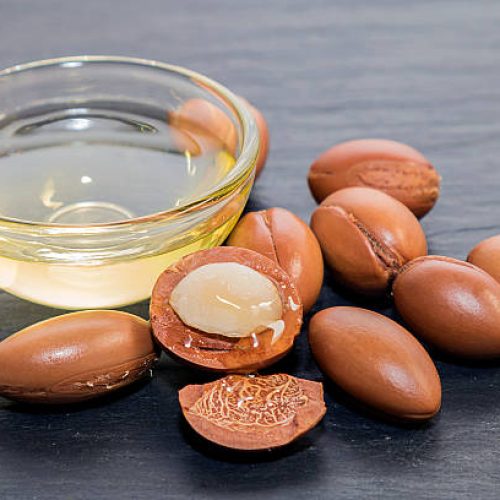
Argan Oil
INCI Name: Argania Spinosa Kernel Oil
Type: Plant-derived carrier oil (refined)
Origin & Composition:
- Extracted from the kernels of the Argan tree (native to Morocco)
- Refined to reduce color, odor, and impurities while maintaining core nutrients
- Balanced composition of oleic acid (omega-9) and linoleic acid (omega-6)
- Contains vitamin E (tocopherols), sterols, and squalene
Cosmetic Benefits:
- Deeply nourishing: Restores moisture to dry, mature, or damaged skin
- Antioxidant protection: Neutralizes free radicals and helps prevent premature aging
- Skin elasticity: Improves suppleness and reduces roughness
- Non-comedogenic: Suitable for most skin types, including sensitive and acne-prone
- Hair strengthener: Softens, adds shine, and reduces breakage/frizz
Common Uses:
- Anti-aging creams and facial serums
- Hair oils, conditioners, and leave-in treatments
- Cuticle and nail care
- Lip balms and multipurpose balms
- Aftershave and beard oils
- Stretch mark and scar treatments
Formulation Notes:
- Refined version is light-colored and neutral-scented—ideal for versatile formulations
- Excellent for premium, high-performance skincare and haircare
- Stable with good shelf life; works well as a base or booster oil
- Pairs well with essential oils and active botanical extracts
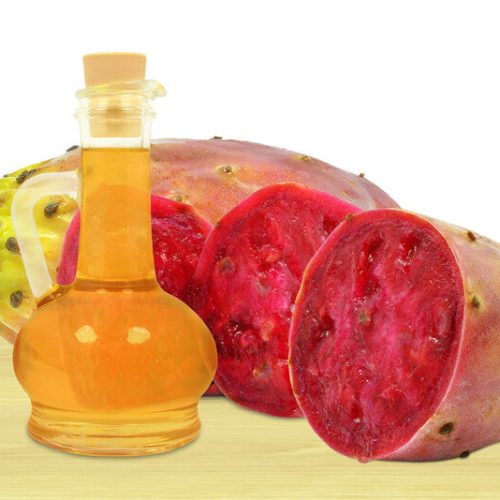
Prickly Pear Seed Oil
INCI Name: Opuntia Ficus-Indica Seed Oil
Type: Exotic plant-derived carrier oil (refined)
Origin & Composition:
- Cold-pressed from the seeds of the prickly pear cactus (Opuntia ficus-indica), then refined for clarity and stability
- Exceptionally high in linoleic acid (omega-6) and tocopherols (vitamin E)
- Contains phytosterols, polyphenols, and essential fatty acids
- Lightweight yet nutrient-dense
Cosmetic Benefits:
- Powerful antioxidant: One of the richest natural sources of vitamin E—protects against oxidative stress and signs of aging
- Hydrating & brightening: Helps reduce hyperpigmentation and dark circles
- Regenerating: Promotes cell turnover and skin elasticity
- Non-comedogenic: Suitable for acne-prone, sensitive, and mature skin
- Soothing: Calms redness and irritation, especially in reactive skin types
Common Uses:
- High-performance facial serums and eye creams
- Anti-aging products and skin repair oils
- Brightening treatments for uneven tone and dull skin
- Luxury facial oils and oil-based cleansers
- Nail and cuticle treatments
Formulation Notes:
- Refined oil is pale yellow and odor-neutral, ideal for elegant or fragrance-free formulations
- Works best in low-use concentrations (1–10%) due to its potency and value
- Pairs well with other light oils (e.g., jojoba, squalane) in facial blends
- Expensive but effective—often used in premium skincare and spa-grade formulations
Jojoba Oil
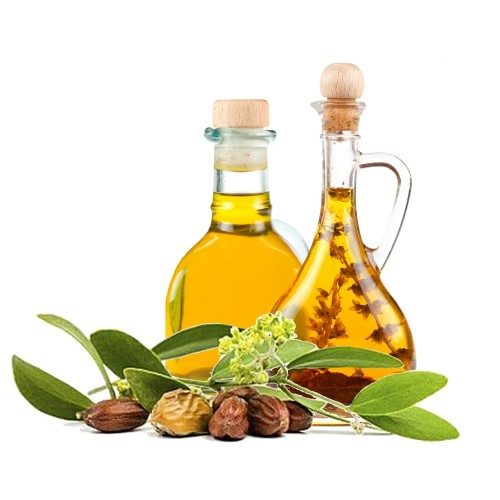
INCI Name: Simmondsia Chinensis (Jojoba) Seed Oil
Type: Plant-derived liquid wax ester (refined)
Origin & Composition:
- Cold-pressed from the seeds of the jojoba shrub, then refined for clarity and shelf stability
- Chemically a liquid wax, not a true oil—mimics natural human sebum
- Composed mainly of wax esters, along with vitamin E, fatty alcohols, and long-chain fatty acids
Cosmetic Benefits:
- Sebum-balancing: Helps regulate oil production—ideal for both dry and oily skin
- Non-comedogenic: Absorbs easily without clogging pores
- Soothing & anti-inflammatory: Reduces redness, irritation, and flakiness
- Protective barrier: Enhances skin resilience without feeling heavy
- Hair & scalp benefits: Nourishes follicles, reduces dandruff, and adds shine without buildup
Common Uses:
- Facial oils, serums, and moisturizers for all skin types
- Scalp treatments, beard oils, and leave-in conditioners
- Makeup removers and cleansing oils
- Lip balms, cuticle oils, and baby care products
- Carrier oil for essential oils in aromatherapy
Formulation Notes:
- Refined jojoba oil is clear, odorless, and highly stable—long shelf life without oxidation
- Excellent for lightweight, fast-absorbing products
- Ideal for sensitive, acne-prone, or reactive skin
- Can be used in both oil-based and emulsified systems
Jojoba Clear
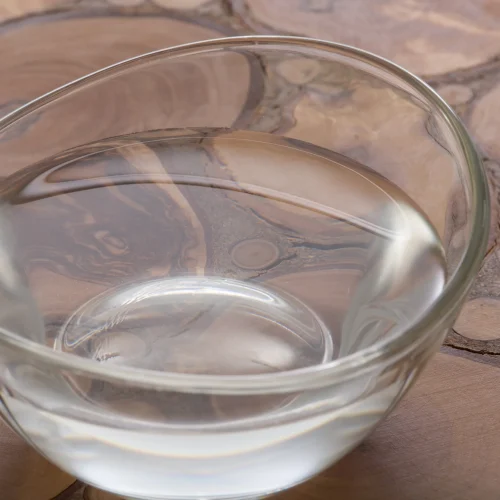
Jojoba clear oil is a highly refined form of jojoba oil derived from the seeds of the Simmondsia chinensis plant. Unlike traditional vegetable oils, jojoba oil is technically a liquid wax ester, closely mimicking the skin’s natural sebum. The clear version is decolorized and deodorized, making it especially suitable for cosmetic formulations where color and scent neutrality are desired. It is widely valued for its stability, non-comedogenic properties, and ability to enhance skin and hair hydration without greasiness.
Technical Data
Extraction Method: Cold-pressed and refined (decolorized and deodorized)
Appearance: Clear to light yellow, odorless
Odor: Neutral (due to deodorization)
Texture: Light, non-greasy, waxy feel
Melting Point: ~10 degrees C (50 degrees F)
Smoke Point: ~195 degrees C (383 degrees F)
Saponification Value: 85-100 mg KOH/g
Iodine Value: 80-88
Refractive Index (40 degrees C): 1.466-1.468
Density (at 20 degrees C): 0.863-0.873 g/cm3
Unsaponifiable Matter: > 50%
Fatty Acid Composition (wax esters):
- Gadoleic Acid (C20:1): ~70%
- Erucic Acid (C22:1): ~10-20%
- Oleic Acid (C18:1): ~5-10%
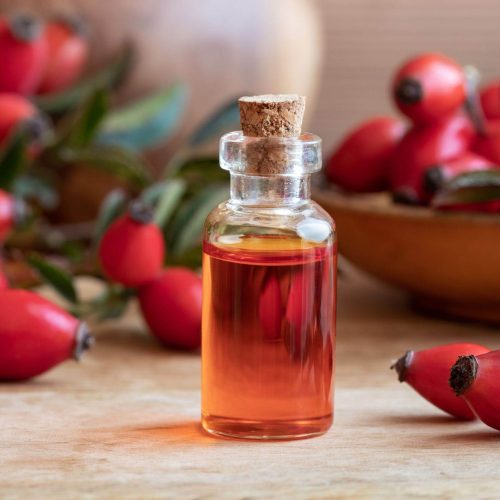
Rosehip Oil
INCI Name: Rosa Canina Fruit Oil or Rosa Rubiginosa Seed Oil
Type: Cold-pressed carrier oil (can be refined or unrefined)
Origin & Composition:
- Extracted from the seeds of rosehip fruit (typically Rosa canina or Rosa rubiginosa)
- Naturally high in linoleic acid (omega-6) and alpha-linolenic acid (omega-3)
- Contains trans-retinoic acid (a natural form of vitamin A), vitamin E, and carotenoids
- Unrefined oil has a reddish hue; refined versions are lighter and milder
Cosmetic Benefits:
- Regenerative: Promotes skin cell turnover, boosts collagen, and reduces fine lines
- Scar and stretch mark repair: Helps fade discoloration and improve skin texture
- Brightening: Evens skin tone and reduces dark spots and sun damage
- Non-comedogenic: Lightweight and suitable for acne-prone skin
- Anti-inflammatory: Calms redness and soothes sensitive skin
Common Uses:
- Facial serums and spot treatments
- Scar and stretch mark care
- Eye creams and anti-aging formulas
- Brightening masks and pigmentation treatments
- Nail and cuticle repair oils
Formulation Notes:
- Best used cold-pressed and unrefined for full benefit, but refined oil is more stable and less aromatic
- Highly active—typically used at 5–20% in blends or emulsions
- Can be sensitive to oxidation—store with antioxidants (e.g., vitamin E) and in dark containers
- Avoid heating at high temperatures in formulations
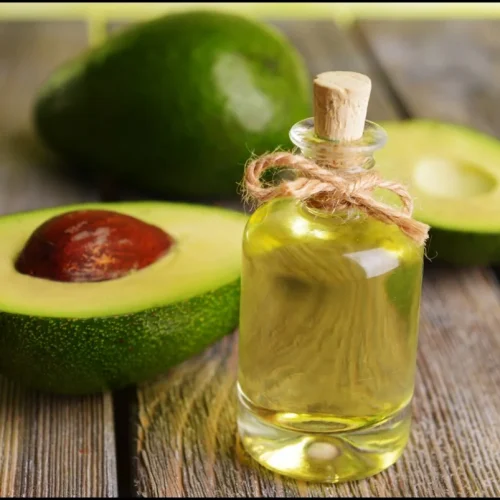
Avocado Oil Refined
INCI Name: Persea Gratissima (Avocado) Oil
Type: Plant-derived carrier oil (refined)
Origin & Composition:
- Cold-pressed from the flesh of avocado fruit, then refined to remove impurities
- Rich in oleic acid (omega-9) with moderate amounts of palmitic acid and linoleic acid
- Contains vitamin E, vitamin D, lecithin, and phytosterols
- Notably high in unsaponifiables, which promote skin regeneration
Cosmetic Benefits:
- Deeply nourishing: Penetrates deeply to hydrate dry, mature, or damaged skin
- Restorative: Promotes skin repair, elasticity, and barrier function
- Soothing: Calms inflammation and supports healing of minor irritations
- Hair & scalp benefits: Moisturizes scalp, strengthens strands, and reduces flakiness
- Supports collagen production: Due to vitamin-rich profile and fatty acid balance
Common Uses:
- Night creams and intensive moisturizers
- Body oils, healing balms, and under-eye products
- Hair masks, conditioners, and scalp serums
- Stretch mark, scar, and sun damage treatments
- Lip care and hand creams
Formulation Notes:
- Refined version is pale yellow, odorless, and highly stable
- Works well in emulsions, butters, and oil-based serums
- Best used in rich, reparative products for dry or aging skin
- Ideal for cosmeceutical and spa-grade formulations
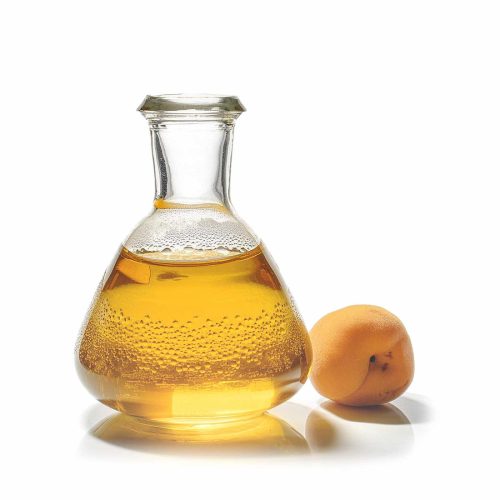
Apricot Kernel Oil Refined
INCI Name: Prunus Armeniaca (Apricot) Kernel Oil
Type: Plant-derived carrier oil (refined)
Origin & Composition:
- Extracted from the kernels of apricots (Prunus armeniaca)
- Refined for improved stability, lighter color, and reduced scent
- Rich in oleic acid (omega-9) and linoleic acid (omega-6)
- Contains vitamin A, vitamin E, and phytosterols
Cosmetic Benefits:
- Gentle and soothing: Ideal for sensitive, dry, or irritated skin
- Emollient: Softens skin and helps restore moisture balance
- Lightweight texture: Easily absorbed without clogging pores
- Anti-aging support: Antioxidants help protect and rejuvenate skin
- Hair care: Moisturizes scalp, conditions strands, and adds shine
Common Uses:
- Baby skincare products and gentle moisturizers
- Facial creams, serums, and lotions
- Massage oils and aromatherapy blends
- Hair oils, scalp treatments, and conditioners
- Soothing balms and body butters
Formulation Notes:
- Refined version is light, odorless, and versatile—excellent for sensitive formulas
- Blends well with essential oils and other carriers
- Shelf-stable and suitable for use in both water-based and anhydrous products
- Excellent alternative to almond oil for nut-sensitive users
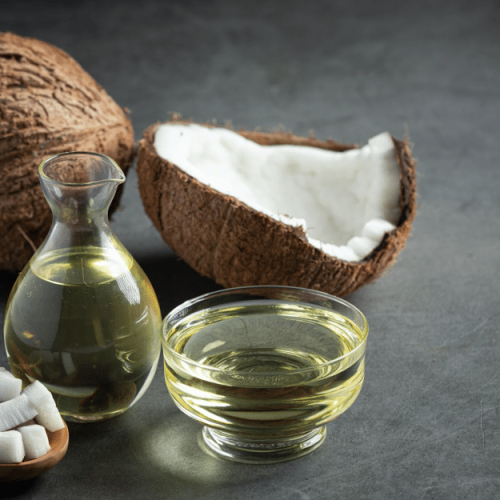
Coconut Oil
Scientific Name: Cocos nucifera (oil derived from the coconut fruit)
Description:
Coconut oil is a natural oil extracted from the meat of mature coconuts harvested from the coconut palm tree. It is composed primarily of saturated fats, notably medium-chain triglycerides (MCTs) such as lauric acid, which is known for its antimicrobial and anti-inflammatory properties.
Types:
- Virgin/Extra Virgin Coconut Oil: Cold-pressed and unrefined, retaining its natural aroma and nutrients.
- Refined Coconut Oil: Processed for a neutral flavor and higher smoke point; suitable for cooking.
Uses:
Read More
- Culinary: Popular in cooking and baking due to its high smoke point and unique flavor.
- Health: May support metabolism, improve HDL (“good”) cholesterol, and have antimicrobial benefits.
- Cosmetic: Commonly used as a moisturizer, hair conditioner, makeup remover, and lip balm.
- Industrial: Found in soaps, detergents, and other personal care products.
Nutritional Highlights (per tablespoon):
- Calories: ~120
- Fat: ~14g (mostly saturated)
- No carbohydrates or protein
Olive Pomace Oil
Olive Pomace Oil – The Understated Olive Oil Alternative
Source:
Derived from the olive pomace, which is the solid residue left after the initial mechanical pressing of olives (including skins, pulp, and pits). The oil is extracted using solvents and then refined, often blended with a small amount of virgin olive oil to improve flavor and color.
Type:
- Refined oil (not the same as extra virgin or virgin olive oil)
- Often labeled simply as “Pomace Olive Oil” or “Olive Pomace Oil”
Characteristics:
- Color: Light yellow to pale green
- Flavor: Mild and neutral
- Smoke Point: Around 460°F (238°C), making it excellent for high-heat cooking and frying
Shelf Life: Longer than extra virgin olive oil due to its higher degree of refinement
Uses: Read More
- Culinary: Ideal for deep frying, sautéing, and commercial cooking due to its high smoke point and low cost
- Cosmetic: Sometimes used in soaps and skin products as a moisturizing base oil
- Industrial: Common in foodservice and processed food industries
Nutritional Profile (per tablespoon):
- Calories: ~120
- Fat: ~14g
- Monounsaturated fats: ~9g
- Saturated fats: ~2g
- Polyunsaturated fats: ~1.5g
- Lower in antioxidants and phenolic compounds compared to extra virgin olive oil
Health Note:
While not as nutrient-rich as extra virgin olive oil, pomace oil retains the heart-healthy monounsaturated fats typical of olive-based oils. However, it lacks the robust polyphenols and flavor of higher-grade olive oils.
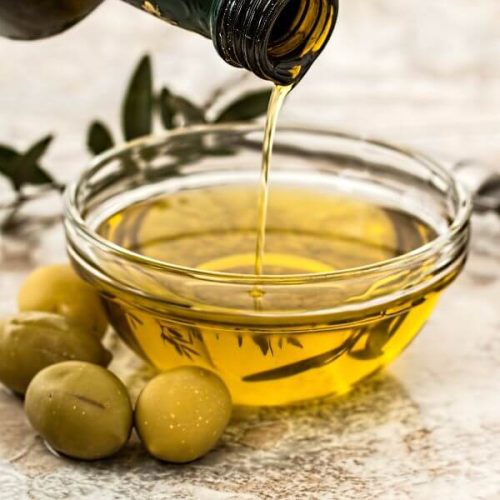
Extra Virgin Olive Oil
Extra Virgin Olive Oil (EVOO) – The Gold Standard of Olive Oils
Source:
Extracted from fresh olives using mechanical (cold-press) methods without the use of heat or chemicals. This preserves the oil’s natural flavor, aroma, and nutritional integrity.
Grade:
Highest quality olive oil, classified as “extra virgin” due to its low acidity (≤0.8%) and superior taste, free of defects.
Characteristics:
- Color: Ranges from deep green to golden yellow, depending on olive variety and harvest time
- Flavor: Fruity, grassy, peppery, or slightly bitter – reflects fresh olive characteristics
- Smoke Point: ~375–410°F (190–210°C), suitable for light sautéing, dressings, and drizzling
- Shelf Life: Best used within 12–18 months for peak flavor and benefits
Uses: Read More
- Culinary: Ideal for salad dressings, marinades, drizzling over finished dishes, and light cooking
- Health: Renowned for its anti-inflammatory and heart-protective benefits, especially as a staple of the Mediterranean diet
- Cosmetic: Used in skin and hair care for its moisturizing and antioxidant properties
Nutritional Highlights (per tablespoon):
- Calories: ~120
- Fat: ~14g
- Monounsaturated fats: ~10g (mainly oleic acid)
- Saturated fats: ~2g
- Polyunsaturated fats: ~1.5g
- Rich in antioxidants, vitamin E, and polyphenols
Health Benefits:
- Supports heart health by improving cholesterol levels
- Contains oleocanthal, a natural anti-inflammatory compound
- May protect against oxidative stress and chronic diseases
Castor Oil
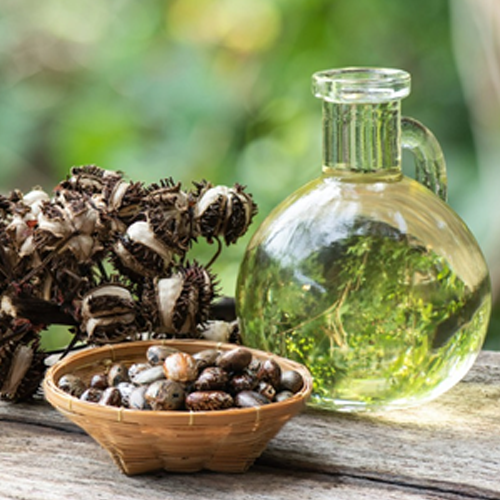
Castor Oil – The Multi-Purpose Medicinal and Cosmetic Oil
Scientific Name: Ricinus communis
Source:
Extracted from the seeds (beans) of the castor plant, native to Africa and India. Though the raw seeds contain the toxic compound ricin, the oil is safe when properly extracted and processed.
Type:
- Cold-Pressed Castor Oil: Pure, golden-yellow, retains natural nutrients
- Black Castor Oil (Jamaican): Roasted before extraction, darker and often used for hair treatments
Characteristics:
- Color: Pale yellow (cold-pressed) or dark brown/black (Jamaican)
- Texture: Thick, sticky, and highly viscous
- Odor: Mild to slightly earthy
- Shelf Life: 1–2 years if stored properly
Primary Component: Read More
- Ricinoleic acid (up to 90% of its fatty acid content) – a rare and potent anti-inflammatory and antimicrobial compound
Uses:
- Cosmetic/Beauty:
- Promotes hair growth and eyelash thickness
- Moisturizes dry skin, heals cracked heels, and soothes chapped lips
- Used in oil cleansing methods for facial care
- Medicinal:
- Traditionally used as a natural laxative
- Helps reduce inflammation in joints and muscles
- Soothes skin conditions like eczema and dermatitis
- Industrial:
- Found in lubricants, paints, plastics, and biodiesel
Nutritional Info (non-edible in most regions):
- Not typically consumed as a dietary oil due to its strong laxative effect
- One tablespoon can cause significant bowel movement; not recommended without medical supervision
Safflower High Oleic Oil
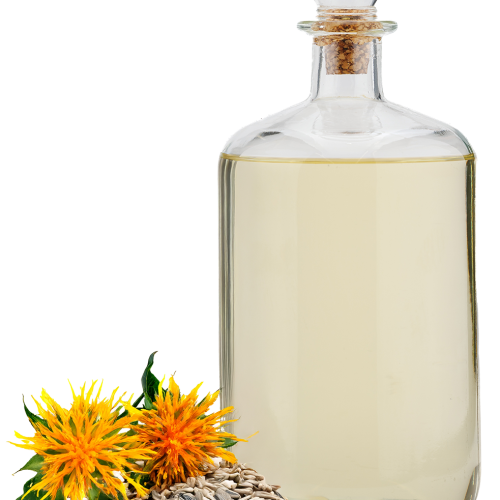
Safflower Oil – The Light and Heart-Friendly Cooking Oil
Scientific Name: Carthamus tinctorius
Source:
Extracted from the seeds of the safflower plant, a thistle-like plant native to regions of Asia, Africa, and the Middle East. The oil is known for its light flavor and high smoke point.
Types:
- High-Linoleic Safflower Oil – Rich in polyunsaturated fatty acids (PUFAs), particularly linoleic acid; often used in salad dressings and cold dishes.
- High-Oleic Safflower Oil – Rich in monounsaturated fatty acids (MUFAs), mainly oleic acid; preferred for cooking due to stability and high smoke point.
Characteristics: Read More
- Color: Pale yellow
- Flavor: Very mild and neutral
- Smoke Point:
- High-oleic: ~450°F (232°C)
- High-linoleic: ~320°F (160°C)
- Shelf Life: Relatively stable, especially high-oleic version
Uses:
- Culinary:
- High-oleic: Ideal for frying, baking, and sautéing
- High-linoleic: Best for salad dressings, dips, and cold preparations
- Cosmetic:
- Used in skin moisturizers, massage oils, and acne-prone skincare
- Non-comedogenic and gentle on sensitive skin
- Industrial:
- Found in paints, varnishes, and biodiesel production
Nutritional Highlights (per tablespoon):
- Calories: ~120
- Fat: ~14g
- High-oleic version:
- Monounsaturated fat: ~10g
- Saturated fat: ~1g
- High-linoleic version:
- Polyunsaturated fat: ~10g
- Saturated fat: ~1g
- High-oleic version:
- Virtually no cholesterol, carbohydrates, or protein
Health Benefits:
- May help lower bad cholesterol (LDL) levels
- Supports heart health due to unsaturated fats
- High-linoleic acid version may support skin barrier and hydration
Mongongo Oil
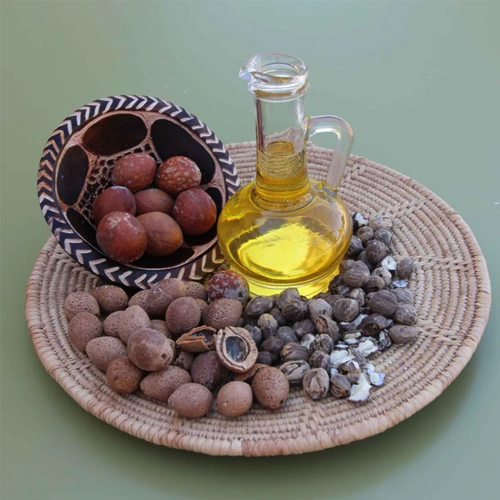
Mongongo Oil – The Desert’s Nutrient-Rich Moisturizer
Scientific Name: Schinziophyton rautanenii (formerly Ricinodendron rautanenii)
Source:
Derived from the nuts of the mongongo tree, native to southern Africa (Namibia, Botswana, Zambia). The nuts are prized by indigenous communities like the San people for their nutrition and skin-protective properties.
Extraction Method:
- Typically cold-pressed from the hard-shelled mongongo nut for cosmetic-grade oil.
Characteristics:
- Color: Light yellow to amber
- Texture: Lightweight and silky
- Scent: Mild, slightly nutty
- Absorption: Fast-absorbing with a slightly protective feel
- Shelf Life: Very stable due to natural antioxidants and tocopherols
Key Components: Read More
- Linoleic acid (omega-6): Moisturizes and strengthens the skin barrier
- Eleostearic acid: Unique fatty acid that reacts with UV light to polymerize, offering natural UV protection (not a substitute for sunscreen)
- Vitamin E (tocopherols): Antioxidant that protects skin from free radical damage
- Oleic and palmitic acids – enhance skin smoothness and hydration
Uses:
- Cosmetic/Beauty:
- Soothes dry, cracked, or sun-exposed skin
- Strengthens and softens hair, especially natural, curly, or textured types
- Found in balms, lip care, body oils, and hair serums
- Traditional Uses:
- Used by indigenous groups for skin conditioning in harsh desert climates
- Nuts are also a traditional food source, high in protein and fat
Benefits:
- Hydrates without clogging pores – ideal for acne-prone or sensitive skin
- Forms a protective film that helps reduce moisture loss
- Natural UV-reactive properties may help defend against environmental stressors
Considerations:
- Less commonly available than oils like argan or jojoba, but gaining popularity in clean beauty products
- Best used in its unrefined, cold-pressed form for full benefit
- Works well alone or mixed into moisturizers and hair masks
Mongongo oil is a hidden gem in the natural skincare world—lightweight yet deeply nourishing, with built-in environmental resilience. Want a comparison with marula, baobab, or kukui nut oil?
Moringa
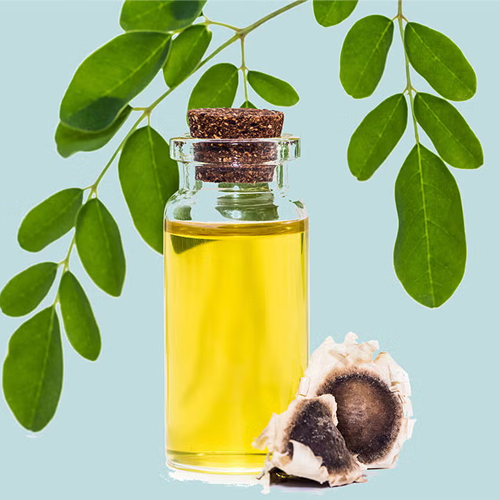
Moringa Oil – The Miracle Tree’s Golden Elixir
Scientific Name: Moringa oleifera
Source:
Extracted from the seeds of the moringa tree, often called the “Miracle Tree” due to its nutritional and medicinal versatility. Native to India, but now cultivated across Africa, Asia, and South America.
Extraction Method:
- Cold-pressed moringa oil (also known as ben oil) is the most nutrient-rich form.
Characteristics:
- Color: Light yellow to golden
- Texture: Lightweight, smooth, and non-greasy
- Scent: Mild, earthy, slightly nutty
- Absorption: Fast-absorbing; leaves a silky feel
- Shelf Life: Very stable due to high oleic acid content and natural antioxidants
Primary Components: Read More
- Oleic acid (omega-9): ~70% – deeply moisturizing and emollient
- Behenic acid: A rare long-chain fatty acid that gives moringa oil its nickname “ben oil”; enhances smoothness and skin protection
- Vitamins A, C, and E – powerful antioxidants
- Sterols and phenolic compounds – support anti-inflammatory and antimicrobial effects
Uses:
- Cosmetic/Beauty:
- Hydrates dry, aging, or sensitive skin
- Supports collagen production and skin elasticity
- Controls frizz, nourishes scalp, and strengthens hair
- Excellent for facial oils, serums, and scalp treatments
- Medicinal/Traditional:
- Used for wound healing, soothing inflammation, and minor skin infections
- Traditionally applied for joint pain and muscle aches
- Culinary (edible-grade only):
- Mild, nutty flavor – used in salad dressings and light cooking in some cultures
Nutritional Info (edible oil, per tbsp):
- Calories: ~120
- Fat: ~14g
- Monounsaturated fats: ~10g
- Saturated fats: ~2g
- Rich in phytonutrients and free from trans fats
Benefits:
- Fights free radical damage and premature aging
- Naturally antibacterial and anti-inflammatory
- Non-comedogenic and safe for acne-prone or sensitive skin
- Balances oil production without clogging pores
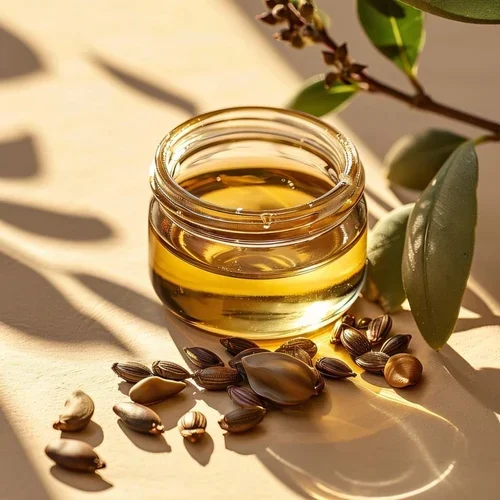
Marula Oil
Marula Oil – Africa’s Beauty Elixir
Scientific Name: Sclerocarya birrea
Source:
Extracted from the kernels of the marula fruit, which grows on the marula tree, native to southern and western Africa. Traditionally used for skin care and food, marula oil has gained global recognition as a premium cosmetic oil.
Type:
- Cold-pressed marula oil (from the seed) is the most common and valued form, rich in antioxidants and essential fatty acids.
Characteristics:
- Color: Pale yellow to golden
- Texture: Lightweight, silky, and non-greasy
- Odor: Mild, nutty to slightly fruity
- Absorption: Fast-absorbing and ideal for all skin types
- Shelf Life: Stable due to high antioxidant content (up to 2 years)
Primary Components: Read More
- Oleic acid (70–80%) – deeply moisturizing and nourishing
- Linoleic acid, palmitic acid, and stearic acid
- High in antioxidants like vitamin E, flavonoids, and tocotrienols
Uses:
- Cosmetic/Beauty:
- Moisturizes dry skin and smooths fine lines
- Helps improve elasticity and skin tone
- Strengthens and adds shine to hair; great for frizz and split ends
- Used in facial oils, serums, lotions, and hair treatments
- Traditional Uses:
- Used in Africa for skin protection against dry, harsh climates
- Sometimes consumed or used for cooking in local regions
Nutritional Highlights (for topical use):
- Not typically consumed in modern commercial applications
- Contains antioxidants, sterols, and amino acids that protect against environmental damage
Health and Beauty Benefits:
- Non-comedogenic (won’t clog pores)
- Anti-aging and soothing for sensitive or inflamed skin
- Helps protect skin from free radical damage and UV stress (not a substitute for sunscreen)
Considerations:
- Suitable for all skin types, including oily and acne-prone
- Works well when layered under or mixed with other skincare products
- Look for cold-pressed, unrefined marula oil for maximum benefit
Marula oil is often compared to argan oil, but it’s lighter and contains more antioxidants—making it a luxury yet practical choice in modern skincare. Let me know if you’d like a comparison with jojoba or rosehip oil!
Mofongo
Soybean
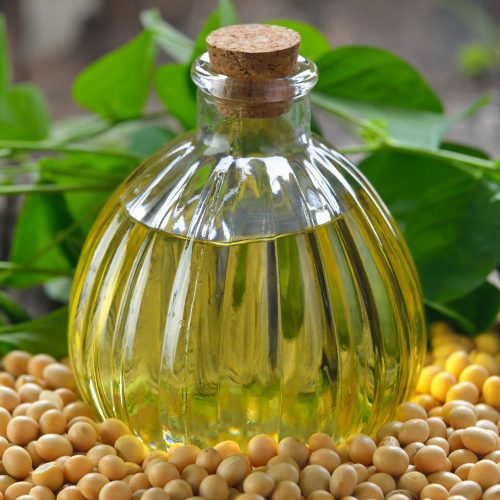
Soybean oil is a vegetable oil extracted from the seeds of the soybean plant (Glycine max). It is one of the most widely used cooking oils worldwide due to its neutral flavor, high smoke point, and economic efficiency. In addition to culinary use, it is also a key ingredient in industrial products and biodiesel.
Technical Data:
| Parameter | Typical Value |
| Source | Glycine max (soybean seeds) |
| Extraction Method | Solvent extraction (typically hexane), followed by refining |
| Appearance | Pale yellow, clear liquid |
| Odor and Taste | Neutral odor and mild taste |
| Smoke Point | ~450°F (232°C) (refined) |
| Fatty Acid Composition | |
| – Linoleic acid (Omega-6) | 48–58% |
| – Oleic acid (Omega-9) | 19–30% |
| – Palmitic acid (Saturated) | 10–12% |
| – Alpha-linolenic acid (Omega-3) | 5–11% |
| – Stearic acid (Saturated) | 2–5% |
| Iodine Value | 120–135 g I2/100g (indicating high unsaturation) |
| Saponification Value | 189–195 mg KOH/g |
| Refractive Index (40°C) | 1.466–1.470 |
| Viscosity at 25°C | ~30–32 cP |
| Density at 25°C | ~0.916–0.922 g/cm³ |
Applications Read More
1. Culinary Use
- Deep frying, sautéing, salad dressings, margarine production.
- Popular in processed food products due to low cost and high stability.
2. Industrial Use
- Biodiesel production (transesterification).
- Paints, inks, and lubricants.
- Emulsifiers and surfactants.
3. Cosmetic and Pharmaceutical
- Used in skin moisturizers, lotions, and soaps.
- Acts as an emollient and carrier oil in topical formulations.
Nutritional Profile (per 100g)
- Calories: ~884 kcal
- Total Fat: 100 g
- Saturated fat: ~15 g
- Monounsaturated fat: ~23 g
- Polyunsaturated fat: ~58 g
- Vitamin E: ~8.2 mg (55% DV)
- Cholesterol: 0 mg
Stability and Storage
- Soybean oil is prone to oxidation and rancidity due to its high polyunsaturated fat content.
- Antioxidants (e.g., TBHQ or natural tocopherols) are often added.
- Store in a cool, dark place to prolong shelf life.
Organic, Kosher, Halal available
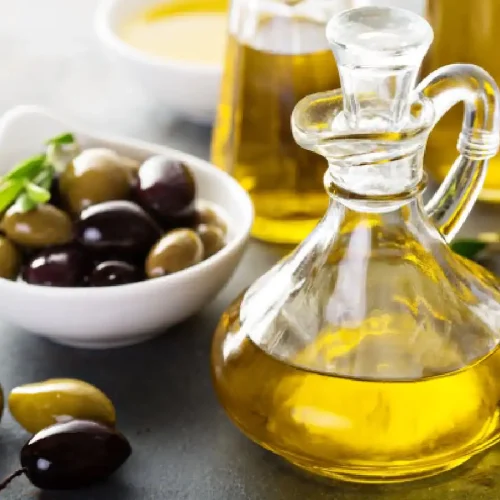
Olive Pure
Sunflower Refined

Batana
Batana oil is a natural oil extracted from the nuts of the American palm tree (Elaeis oleifera), native to Central and South America. Traditionally used by the Miskito people of Honduras, it’s renowned for its nourishing properties for both hair and skin.
Key Benefits of Batana Oil:
- Deep Moisturization: Rich in fatty acids and vitamin E, batana oil deeply hydrates hair, enhancing softness and shine.
- Hair Strengthening: It helps improve hair strength and elasticity, reducing breakage and split ends.
- Scalp Health: Its anti-inflammatory properties can soothe scalp irritation and combat dandruff.
- Potential Hair Growth Support: While scientific evidence is limited, anecdotal reports suggest it may support hair growth by improving scalp health and reducing breakage.
How to Use Batana Oil
- Pre-Shampoo Treatment: Apply to dry hair before washing to protect against harsh cleansing agents and retain moisture.
- Leave-In Conditioner or Hair Mask: Use as a leave-in treatment or hair mask to deeply condition and nourish hair.
- Scalp Massage: Warm a small amount between your palms and massage into the scalp to promote circulation and overall hair health.
In summary, Batana oil offers deep hydration and nourishment for hair and scalp, making it a valuable addition to natural hair care routines. While more research is needed to confirm its effects on hair growth, its moisturizing and strengthening properties are well-regarded.
Shea Butter
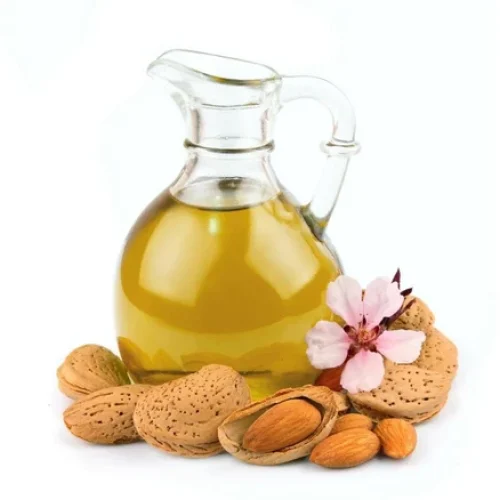
Shea butter is a fat extracted from the nuts of the shea tree (Vitellaria paradoxa), native to West and Central Africa. It’s traditionally used for its emollient, healing, and moisturizing properties in both cosmetic and medicinal applications. Shea butter has been used for centuries to protect skin from harsh environmental elements, reduce inflammation, and treat minor skin conditions.
Technical Data:
Botanical Name: Vitellaria paradoxa
Extraction Method: Cold-pressed or expeller-pressed; unrefined or refined
Appearance: Off-white to ivory (unrefined); white (refined)
Odor: Nutty, earthy (unrefined); neutral (refined)
Texture: Solid and buttery; melts on skin contact
Melting Point: 32-45 degreesC (90-113 degreesF)
Saponification Value: 170-185 mg KOH/g
Iodine Value: 53-70
Acid Value: < 6.0 mg KOH/g
Refractive Index (40 degreesC): 1.467-1.471
Peroxide Value: <= 10 meq O2/kg
Unsaponifiable Matter: 5-17%
pH: ~5-6 in emulsions
Fatty Acid Composition
Oleic Acid (Omega-9): 40-60%
Stearic Acid: 20-50%
Linoleic Acid (Omega-6): 3-11%
Palmitic Acid: 2-9%
Arachidic Acid: ~1%
Applications
Cosmetic and Personal Care:
Moisturizers, lip balms, lotions, and sunscreens.
Medicinal: Treats eczema, psoriasis, and minor wounds.
Soap and Candle Making: Enhances lather and conditioning.
Food Use: Used as a cooking fat in parts of Africa.
Nutritional Profile (per 100g, food-grade)
Calories: ~900 kcal
Total Fat: 100 g (Saturated: 45-55 g, Monounsaturated: 35-45 g, Polyunsaturated: 5-10 g)
Cholesterol: 0 mg
Vitamin E: Trace amounts
Vitamin A: Present as plant-based retinoids
Storage and Stability
Store in a cool, dark place (below 25 degreesC). Shelf life: 12-24 months. Unrefined butter retains more antioxidants but has a shorter shelf life.
Grades and Refinement Levels
Grade A: Raw or unrefined, cold-pressed, ivory color
Grade B: Refined but retains most natural nutrients
Grade C: Highly refined and deodorized
Grades D/E: Contain chemical additives or are solvent-extracted[/read]
Baobab Oil
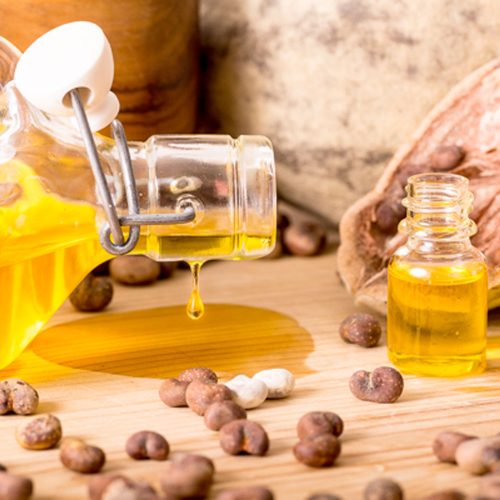
Baobab oil is a nutrient-rich, cold-pressed oil extracted from the seeds of the fruit of the baobab tree (Adansonia digitata), native to Africa. This golden-yellow oil is known for its excellent emollient properties, rapid skin absorption, and ability to nourish hair and skin without clogging pores. It has been used for centuries in African traditional medicine and skincare.
Technical Data
Botanical Name: Adansonia digitata
Extraction Method: Cold-pressed from dried baobab seeds
Appearance: Pale to golden yellow
Odor: Mild, nutty, earthy
Texture: Light, non-greasy
Melting Point: Liquid at room temperature
Smoke Point: ~160-220 degrees C (320-428 degrees F)
Saponification Value: 185-195 mg KOH/g
Iodine Value: 85-95
Refractive Index (40 degrees C): 1.468-1.472
Acid Value: < 5.0 mg KOH/g
Unsaponifiable Matter: ~1-2%
Density (at 20 degrees C): 0.91-0.93 g/cm3
Rice Bran
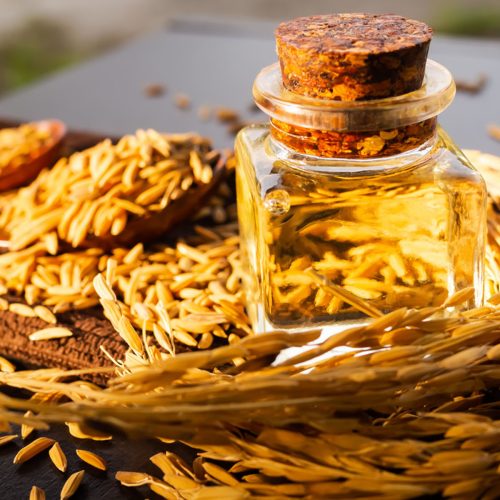
Rice bran oil is extracted from the outer husk (bran) of rice grains, primarily from Oryza sativa. It is widely used in cooking due to its mild flavor, high smoke point, and health-promoting compounds. Rich in antioxidants like gamma-oryzanol, tocopherols, and tocotrienols, it also has potential benefits for skin and cardiovascular health. In addition to culinary uses, rice bran oil finds applications in cosmetics and industrial formulations.
Technical Data:
Botanical Source: Oryza sativa (rice)Extraction Method: Solvent extraction or cold pressing
Appearance: Light yellow to golden
Odor: Mild, nutty aroma
Smoke Point: ~232 degrees C (450 degrees F)
Saponification Value: 180-190 mg KOH/g
Iodine Value: 95-105
Acid Value: < 2.0 mg KOH/g (refined)
Refractive Index (40 degrees C): 1.467-1.470
Density (at 20 degrees C): 0.914-0.920 g/cm3
Unsaponifiable Matter: ~4% (contains sterols and gamma-oryzanol)
Fatty Acid Composition:
- Oleic Acid (Omega-9): 38-45%
- Linoleic Acid (Omega-6): 30-40%
- Palmitic Acid: 15-20%
- Stearic Acid: 1-3%
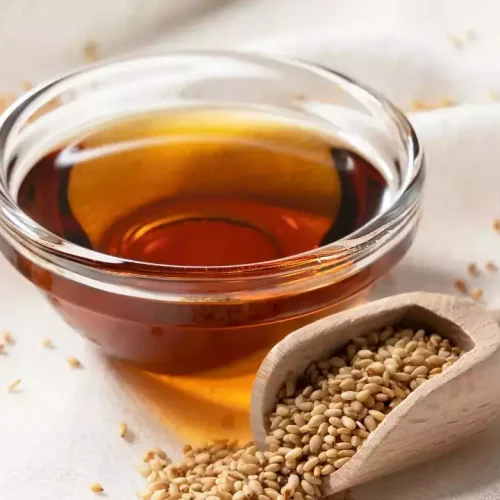
Sesame Seed Oil
Sesame seed oil is extracted from the seeds of the Sesamum indicum plant and has been used for thousands of years in food, medicine, and skin care. It is known for its rich nutritional profile, including antioxidants like sesamol and sesamin, and its distinct nutty aroma. Sesame oil is used both as a cooking oil and as a carrier oil in cosmetic and pharmaceutical applications.
Technical Data
Botanical Source: Sesamum indicum
Extraction Method: Cold-pressed or expeller-pressed (refined and unrefined forms)
Appearance: Light yellow (refined) to golden brown (unrefined)
Odor: Mild, nutty (stronger in toasted varieties)
Smoke Point: ~210-232 degrees C (410-450 degrees F)
Saponification Value: 188-195 mg KOH/g
Iodine Value: 103-112
Acid Value: < 2.0 mg KOH/g (refined)
Refractive Index (40 degrees C): 1.466-1.469
Density (at 20 degrees C): 0.915-0.923 g/cm3
Unsaponifiable Matter: ~1.5-2%
Fatty Acid Composition:
- Oleic Acid (Omega-9): 35-45%
- Linoleic Acid (Omega-6): 35-50%
- Palmitic Acid: 7-12%
- Stearic Acid: 3-6%